7 Local SEO Tips Every Hawaii Business Should Implement Now
Hawaii businesses face unique local SEO challenges. These 7 proven tips help you rank higher in Google Maps and local search across Oahu.

AEO Strategy Lead & Co-Founder
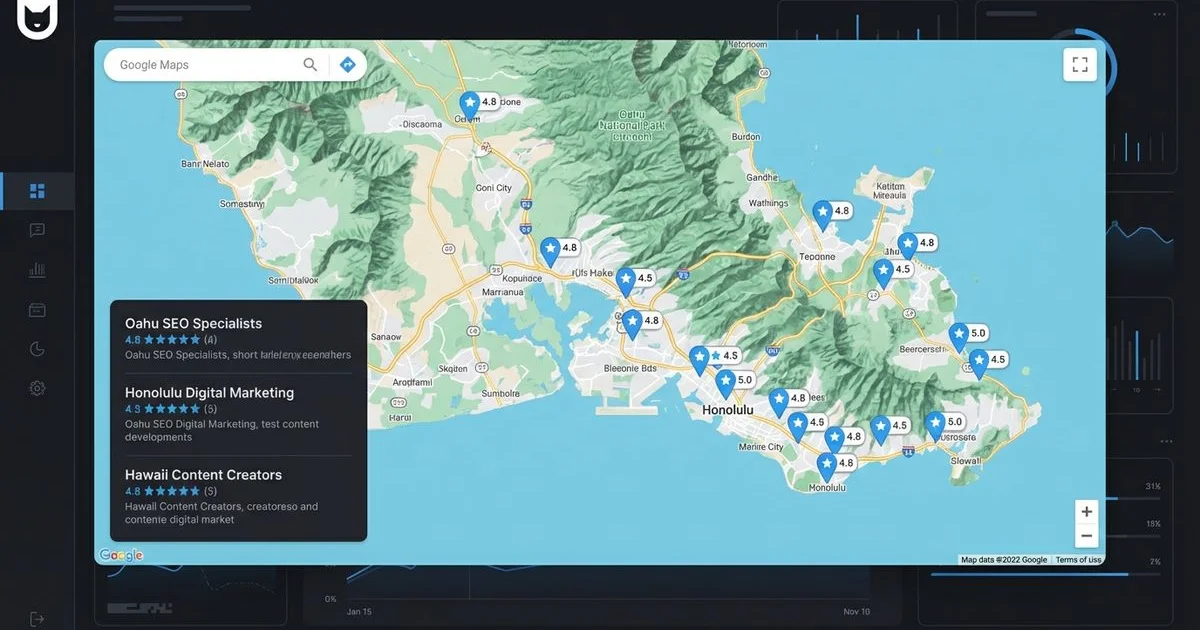
Local SEO in Hawaii: Unique Challenges, Big Opportunities
We at Nekko Digital know that Hawaii businesses operate in a market unlike any other in the United States. The geographic isolation of our islands, a tourism-driven economy, and tight-knit local communities create a distinct landscape for search optimization. Whether you serve residents on Oahu, visitors in Maui, or businesses across all islands, a strong local SEO strategy is essential for attracting the customers who are searching for your services right now.
These seven tips address the specific needs of Hawaii businesses while following local SEO best practices that apply universally. For businesses that want professional guidance, our local SEO service is designed specifically for the Hawaii market.
Tip 1: Optimize Your Google Business Profile Completely
Your Google Business Profile is the most powerful tool in your local SEO arsenal. A fully optimized profile is particularly important here because tourists and newcomers rely heavily on Google Maps to find services they are unfamiliar with.
Complete every section of your profile: business name, address, phone number, hours, services, description, and attributes. Upload high-quality photos of your actual business, team, and work. Hawaii’s visual beauty is a natural advantage. Photos showing your location against the backdrop of the islands can make your listing stand out dramatically.
Select the most specific primary category for your business and add all relevant additional categories. For a detailed walkthrough of every optimization opportunity, read our Google Business Profile optimization guide.
Leverage Hawaii-Specific Visuals and Attributes
You should go beyond the basics by using features that resonate with local values.
- Showcase “Kamaʻāina” Values: While there isn’t a direct “Kamaʻāina” attribute, you can use the “Women-owned,” “Veteran-owned,” or “Family-led” attributes if they apply.
- Visual Storytelling: Upload photos of your team at local landmarks or community events to signal authentic local presence.
- Q&A Section: Pre-populate this with common questions like “Do you offer Kamaʻāina rates?” or “Is parking available?” to help locals and tourists decide quickly.
Tip 2: Build Consistent Local Citations
Citations are mentions of your business name, address, and phone number on other websites. Consistent citations across the web reinforce your credibility with Google and help establish your local presence.
Priority Citation Sources for Hawaii Businesses
Start with the major national directories: Yelp, Yellow Pages, BBB, and Facebook. Then focus on Hawaii-specific directories and resources that carry extra weight for local relevance:
- Shop Small Hawaii: A key directory for local small businesses.
- Chamber of Commerce Hawaii: Membership often includes a high-authority directory listing.
- Kamaʻāina Directory: Specifically targets residents looking for local deals.
- Local Island-Specific Directories: Look for directories specific to Maui, Kauai, or the Big Island if you operate there.
- Hawaii Tourism Authority: Essential if your business serves visitors.
The “Ste” vs “Suite” Consistency Rule
We frequently see Hawaii businesses struggle with address formatting due to irregular street names or complex building layouts. Your Name, Address, and Phone number must be exactly the same across every citation. Even minor inconsistencies, like abbreviating “Street” to “St.” in some places but not others, can dilute your citation signal. Audit your existing citations and correct any inconsistencies before building new ones.
Tip 3: Generate and Manage Reviews Strategically
Reviews are a dominant ranking factor for the local 3-pack, and they are also the primary trust signal that drives customer decisions. Hawaii businesses benefit from reviews in a unique way: tourists planning trips to the islands often research businesses weeks in advance, and reviews heavily influence their choices.
Building a Review System
Create a simple, repeatable process for requesting reviews after positive service experiences. Send a follow-up text or email within 24 hours of service completion with a direct link to your Google review page. Make the process as easy as possible with a short URL or QR code.
Responding to All Reviews
Respond to every review within 48 hours. For positive reviews, thank the customer and reference specific details about their experience. For negative reviews, address the concern professionally, offer resolution, and invite the customer to contact you directly.
For a complete review management framework, see our guide on building an online review strategy.
Platform Importance by Audience
You need to target the right review platforms based on who you want to attract.
| Audience | Primary Platform | Secondary Platform | Why It Matters |
|---|---|---|---|
| Tourists | TripAdvisor | Google Maps | Visitors plan trips weeks ahead using travel-specific sites. |
| Locals | Google Maps | Yelp | Residents want quick, reliable info for immediate needs. |
| Dining | Yelp | OpenTable | Food-focused searches in Hawaii still heavily favor Yelp. |
Tip 4: Create Hyper-Local Content
Content that specifically references Hawaii neighborhoods, landmarks, and communities sends powerful local relevance signals to Google. This goes beyond simply mentioning “Honolulu” on your website.
Types of Hyper-Local Content
- Neighborhood guides: If you serve specific areas of Oahu, create content about those neighborhoods. A plumber in Kailua can write about common plumbing issues in older Kailua homes.
- Local event connections: Create content tied to local events, festivals, and seasonal activities. Connecting your services to local happenings demonstrates genuine community presence.
- Island-specific tips: Content about challenges unique to Hawaii, such as humidity impacts on homes, volcanic soil effects on plumbing, or salt air corrosion for vehicles, demonstrates authentic local expertise.
- Community involvement: Blog about your participation in local organizations, sponsorships, and community events. This builds both content and local backlink opportunities.
Targeting the “Kamaʻāina” Keyword
We have found that content targeting “Kamaʻāina” terms captures high-intent local traffic.
Locals often search for “Kamaʻāina rates,” “local discounts,” or “resident specials.” Creating a dedicated page or blog post outlining your offers for residents helps you rank for these specific terms. It signals to Google that you are a locally focused business serving the permanent community, not just a tourist trap.
Tip 5: Optimize for “Near Me” Searches
“Near me” searches have exploded in volume, and they are particularly important in Hawaii where both residents and tourists use their phones to find nearby services. Google interprets “near me” queries by using the searcher’s location, making your geographic signals critical.
Technical Requirements
Ensure your website includes your full business address, preferably in the footer of every page. Implement LocalBusiness schema markup with your coordinates, service area, and business hours. These structured data signals help Google connect your business to “near me” queries in your area.
Mobile Optimization
The vast majority of “near me” searches happen on mobile devices. Your website must load quickly, display properly, and be easy to navigate on phones. Slow loading times or poor mobile experience will cost you “near me” traffic directly.
For a detailed guide on capturing “near me” searches, read our article on how to rank for near me searches.
The “Island Hopping” Factor
You must account for the unique way visitors search while traveling between islands.
Tourists in Maui often search for restaurants or activities in Oahu for their trip the next day. Optimize your content to include phrases like “best luau in Honolulu” or “Oahu day trip activities” to capture this cross-island intent. This ensures you appear in search results even when the user isn’t physically standing next to your business yet.
Tip 6: Build Local Backlinks
Backlinks from local Hawaii websites carry significant weight for local SEO. These links tell Google that your business is a recognized part of the local community.
Local Link Building Strategies
- Community involvement: Sponsor local events, sports teams, or organizations. Sponsorship often comes with a link from the organization’s website.
- Local media coverage: Pitch stories to Hawaii news outlets, local blogs, and island publications. Media coverage generates authoritative local backlinks.
- Business partnerships: Partner with complementary local businesses for cross-promotion. A dentist might partner with a local insurance agency for mutual referrals and links.
- Local associations: Join industry associations and local business groups that list members on their websites.
- University connections: Engage with the University of Hawaii or local colleges through partnerships, guest lectures, or student programs.
High-Value Sponsorship Opportunities
We recommend targeting organizations that are active and authoritative in the local digital space.
- Made in Hawaii Festival: Exhibitors and sponsors often get listed on a high-traffic site.
- Project Hawaii Inc: This non-profit for homeless children offers sponsorship packages that can include website recognition.
- Sustainable Coastlines Hawaii: Partnering with environmental groups aligns your brand with values that matter deeply to Hawaii residents.
Focus on quality over quantity. A few links from respected local sources are worth more than dozens of links from irrelevant directories.
Tip 7: Track and Measure Your Local SEO Performance
You cannot improve what you do not measure. Tracking your local SEO performance helps you understand what is working, what needs adjustment, and where to focus your efforts.
Key Metrics for Hawaii Businesses
- Google Business Profile insights: Monitor search queries, profile views, direction requests, and phone calls. These metrics show how customers interact with your listing.
- Local keyword rankings: Track your rankings for your primary services combined with your location terms, such as “plumber Honolulu” or “dentist Kailua.”
- Organic traffic by location: Use Google Analytics to segment your traffic by geographic location. This reveals whether you are reaching your target market.
- Conversion tracking: Track phone calls, form submissions, and direction requests that originate from local search.
- Review velocity: Monitor how many new reviews you receive each month. Consistent review growth signals ongoing customer satisfaction.
The “Direction Request” ROI
We consider “Direction Requests” to be the most critical metric for businesses serving tourists.
A high volume of direction requests indicates that your local SEO is directly driving foot traffic. Compare this metric against visitor arrival stats from the Hawaii Tourism Authority to see if you are capturing your fair share of the market. If arrivals are up but your direction requests are flat, it’s time to revisit your “near me” optimization.
Monthly Audit Checklist
Conduct a brief local SEO audit each month:
- Verify your Google Business Profile information is current and accurate
- Check for new reviews and respond to any you have missed
- Review your citation consistency across key directories
- Publish at least two pieces of locally relevant content
- Monitor your local keyword rankings for movement
Local SEO for Hawaii businesses is not fundamentally different from local SEO anywhere else, but the unique characteristics of the Hawaii market create specific opportunities. Businesses that combine strong technical SEO foundations with Hawaii-specific local optimization will capture the local search visibility that drives real customers through their doors.
Rodrigo Diniz
AEO Strategy Lead & GEO Specialist
AEO Strategy Lead at Nekko Digital with 15+ years in digital marketing and AI search optimization.